
Search Tennessee Court Docket Records
Tennessee Court Docket records help people track filed cases, hearing dates, docket entries, court locations, and the clerk offices that keep the file. Tennessee uses different tools for appellate and trial matters, so a good search starts with the right court level and county. This page brings together the main Tennessee Court Docket portals, county clerk resources, archive sources, and public access rules so you can search current cases, request older files, and understand when a clerk may redact or withhold part of the record.
Tennessee Court Docket Quick Facts
Tennessee Court Docket Search Basics
A Tennessee Court Docket search works best when you know which court handled the matter. Tennessee trial courts include Circuit Courts, Chancery Courts, Criminal Courts, General Sessions Courts, Juvenile Courts, and Probate Courts. The Tennessee court structure page explains that each court type handles a different slice of the statewide caseload. Circuit and Chancery courts often hold the civil dockets people ask for most. General Sessions courts hold traffic, misdemeanor, and lower value civil matters. Criminal Court dockets cover felony prosecutions in counties with that division. When you know the court level first, the search gets faster.
The Administrative Office of the Courts is the best statewide starting point. It does not replace local clerks. It does give you the court directory, statewide policy guidance, rules, and links back to the clerk or case lookup system that keeps a Tennessee Court Docket record. That matters in Tennessee because public access is spread across many local offices. A statewide search may show the docket, while the clerk keeps the documents, certification process, and any local request forms.
Most users need a few core details before they search:
- Name of a party, business, or agency
- County where the case was filed
- Court type or case number if known
- Approximate filing year or hearing date
Older Tennessee Court Docket records can still exist even when they are not online. That is common with minute books, microfilm, and case files that predate electronic systems. In those cases, the search moves from the portal to the clerk office or the archives.
Tennessee Court Docket Portals
Tennessee maintains separate tools for appellate and trial level access. For appeals, the Public Case History database covers cases filed in the Tennessee Supreme Court, Court of Appeals, and Court of Criminal Appeals after September 1, 2006. Users can search by case number, case style, party name, or organization name. The research notes that data is current as of the end of the prior business day, which is useful when you need a recent Tennessee Court Docket entry but not a minute-by-minute feed.
The statewide trial court portal referenced in the research is Tennessee Case Finder. Research tied to county sections says many counties use it for Circuit Court, Chancery, Clerk and Master, and General Sessions access. Coverage varies by county. Many listings start with cases filed on or after August 1, 2019. That means Tennessee Court Docket access can differ sharply from one county to the next. Some counties offer several divisions online. Others rely more heavily on in-person clerk access or local county pages.
The Tennessee court clerks directory fills the gap when the search portal does not answer everything. It lists local clerk contacts for Circuit, Criminal, Chancery, General Sessions, and Juvenile courts. If the docket search gives you only a case number or a short event list, the clerk directory gives you the office that can confirm copy procedures, business hours, and certification options.
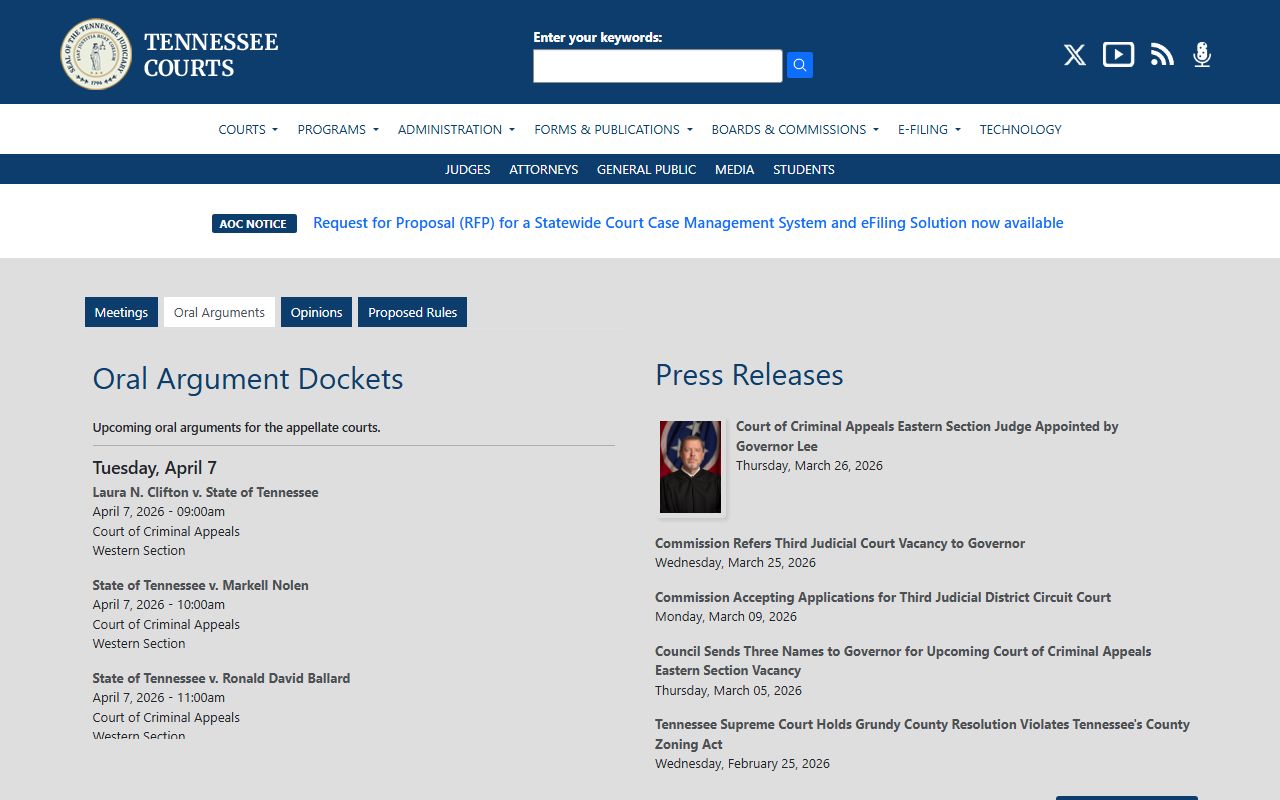
This Tennessee court system portal is one of the main state-level sources used across these pages. It gives users a direct path into court rules, forms, appellate decisions, clerk directories, and statewide administrative material that supports a Tennessee Court Docket search.
That statewide portal is useful when you do not yet know which clerk keeps the file. It also helps when a county page is thin and you need to step back to the broader Tennessee Court Docket framework before you request records.
Getting Tennessee Court Docket Copies
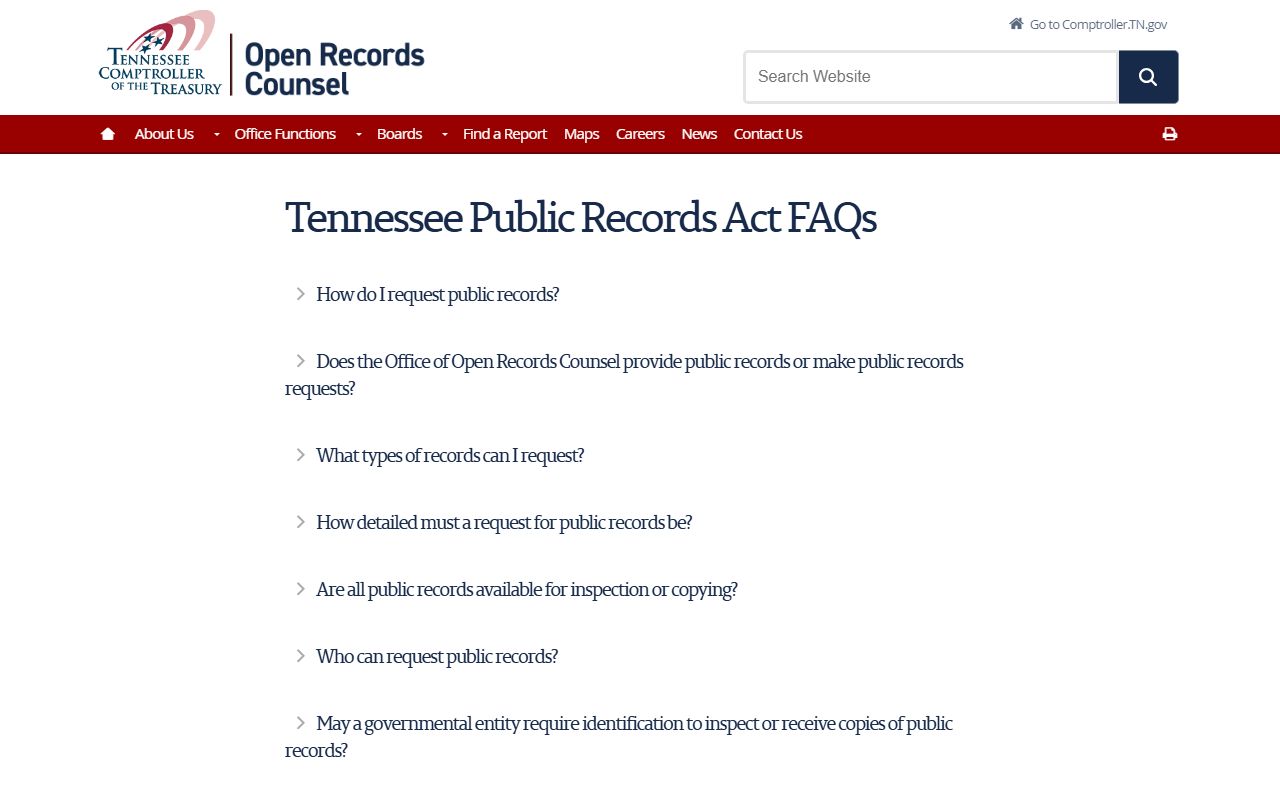
Not every Tennessee Court Docket request is the same. Some people only need to confirm a hearing date. Others need a certified copy, a minute entry, or the complete docket sheet. The research from the Comptroller's public records FAQs explains that a request should be detailed enough for the government entity to identify the records. Tennessee offices do not have to create a new record, sort through files to build a custom report, or recreate something that does not exist. A focused request gets a better response.
The public access rule most often cited in the research is T.C.A. § 10-7-503. It defines public records broadly and says state, county, and municipal records are open for personal inspection during business hours unless another law makes them confidential. The same section says a records custodian must respond within seven business days by producing the record, denying the request in writing, or giving the requester a reasonable production timeline. Those rules shape how Tennessee Court Docket access works whether you ask in person, by mail, or through a county request channel.
The Office of Open Records Counsel also matters because it publishes the schedule of reasonable charges used by many custodians. Research notes the first hour of labor is free, black and white copies are generally $0.15 per page, and color copies are generally $0.50 per page, with labor charges possible after the free first hour. Those are guideline charges rather than a promise that every clerk handles every Tennessee Court Docket copy in the same way. It is still smart to call the specific clerk before you place a large request.
Some records stay open but come with redactions. The Tennessee Public Records Act and related exception statutes allow confidential information to be withheld while the rest of the Tennessee Court Docket file remains available. This is why requesters often receive a redacted copy instead of a complete denial.
Tennessee Court Docket Archives
When a case is older than the county portal, the Tennessee State Library and Archives becomes important. The TSLA court records FAQ says the archives keeps court minutes for circuit, chancery, and county courts across Tennessee. It also points researchers to county microfilm indexes and genealogical fact sheets. TSLA offers a fee-based five-year search service in indexed minutes for County or Quarterly Court, Circuit Court, and Chancery Court. For many old Tennessee Court Docket requests, that archive path is the difference between a dead end and a result.
The research notes TSLA public hours are Tuesday through Saturday, 8:00 AM to 4:30 PM Central Time, with archival retrieval available in set windows during the day. That detail matters when a Tennessee Court Docket search depends on in-person archival work. Historical files can include minute books, loose case papers, and microfilmed records that do not appear in the county's current online system.
The Tennessee Supreme Court historical archive is another state-level resource worth using when the dispute reached the state's highest court. That archive includes petitions, transcripts, exhibits, and opinions. It is especially useful for long-running property disputes, estates, boundary issues, and other cases where the Tennessee Court Docket trail moves from local trial court records into historical appellate material.
This TSLA court records page is tied to several state and county image references in the project research. It supports older Tennessee Court Docket searches when the county portal starts too late or the current clerk site does not show archived material.
The archives route is slower than an online search. It is often the right route for older Tennessee Court Docket material, especially when the county section in this site notes that online coverage begins around 2019.
Tennessee Court Docket Access Limits
Tennessee gives broad public access, but broad does not mean unlimited. The research points to a large body of exceptions managed through the Open Records Counsel and the public records exception database. A Tennessee Court Docket file may contain public docket entries while specific attachments remain sealed, redacted, or unavailable because of state law. Juvenile records, some victim information, expunged matters, and confidential identifying information are frequent pressure points.
The statewide public records guidance also says only Tennessee citizens have the statutory right to inspect or receive copies under the Tennessee Public Records Act, though an entity may decide to make records available to non-citizens. A clerk may ask for a government-issued photo ID with an address. That point belongs in any practical Tennessee Court Docket guide because access questions often come up before the request is even processed.
Another helpful statute in the research is T.C.A. § 10-7-503, which says inspection is open during business hours and production should be prompt. The companion guidance from the Comptroller explains that if inspection alone is requested, a government entity generally cannot require the request to be in writing. If copying is requested, a written form may be required. These rules shape how a Tennessee Court Docket search moves from lookup to record request.
Note: A county portal showing no result does not always mean the case never existed. It may mean the court division is not online, the case is too old for the portal, the matter is confidential, or the spelling in the original filing differs from what you entered.
Using Tennessee Court Docket Tools Well
A strong Tennessee Court Docket search usually follows a sequence. Start with the county or city page on this site. Check whether the local court uses Tennessee Case Finder, a local county portal, or a city court search. If the matter is appellate, use the appellate public case history tool. If the case is older, move to TSLA. If you still need the full file, use the clerk directory and request the docket sheet or document copies from the office that keeps the case.
Trial court coverage is uneven, so it helps to search with several variations of a party name. Use an exact name first. Then shorten it. Then try a business name or case number. Tennessee Court Docket portals often return more reliable results when you search within the likely county instead of the whole state at once. If a county uses a clerk and master for chancery matters, look for that office in the county research because the civil file may sit there rather than in a general county clerk office.
Research in this project also notes that some online systems exclude confidential cases and update on a set schedule rather than in real time. A Tennessee Court Docket entry may appear one business day later than a courthouse event. When timing matters, call the clerk listed for that county or court division.
Key record details often found in a Tennessee Court Docket include:
- Case number and style
- Court division and assigned judge
- Filing dates and hearing dates
- Docket entries and major case events
- Party names, attorneys, and dispositions
Browse Tennessee Court Docket by County
Each county page on this site focuses on the clerk contacts, online lookup tools, historical record sources, and local court structure used for a Tennessee Court Docket search in that county.
Tennessee Court Docket in Major Cities
City pages focus on municipal court access and the county court system that usually carries the broader Tennessee Court Docket record for civil, criminal, and sessions matters.